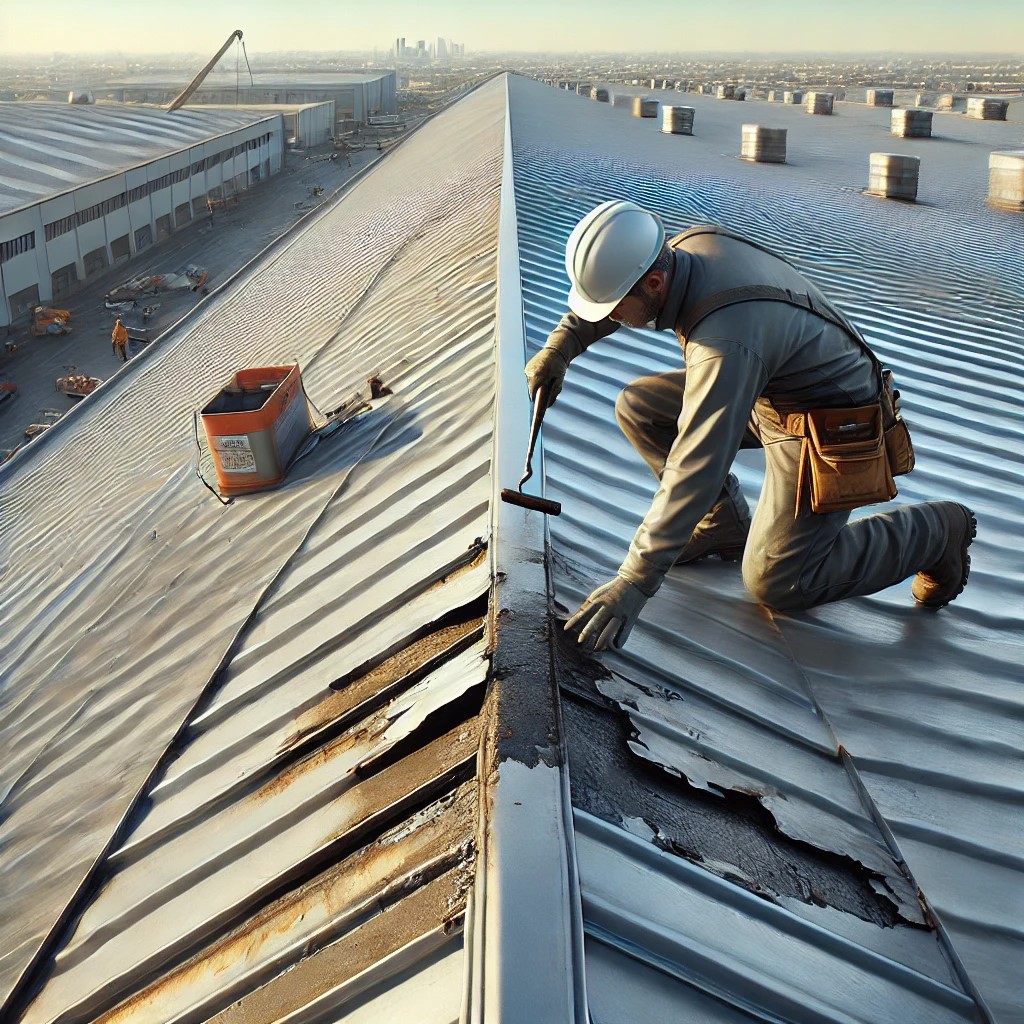
Commercial metal roofs are widely used for their durability, energy efficiency, and longevity. However, like any roofing material, they are not immune to damage over time. Regular maintenance and timely repairs are essential to ensure the longevity of a metal roof. This guide will delve into the specifics of commercial metal roof repair, covering common issues, repair techniques, and best practices.
Common Issues with Commercial Metal Roofs
Commercial metal roofs, typically made from materials like aluminum, steel, or copper, are built to withstand harsh weather conditions. However, certain issues can still arise:
- Corrosion and Rust: Although many metal roofs come with a protective coating to prevent rust, exposure to moisture, pollutants, and salt can lead to corrosion over time. Rust not only compromises the aesthetic appeal of the roof but also weakens its structural integrity.
- Leaks and Water Damage: Leaks are one of the most common problems with metal roofs. They can occur due to improper installation, damage from severe weather, or wear and tear over time. Leaks, if not addressed promptly, can lead to significant water damage inside the building.
- Loose or Missing Fasteners: Metal roofs are typically installed using screws or other fasteners that secure the panels in place. Over time, these fasteners can become loose due to thermal expansion and contraction of the metal, or they might go missing due to severe weather or improper installation.
- Damaged or Deteriorated Seams and Panels: Seams are potential weak points in metal roofing systems. As the roof expands and contracts, the seams can become compromised, leading to gaps that let water in. Additionally, panels can get damaged by hail, falling debris, or other physical impacts.
- Surface Coating Damage: The protective coating on metal roofs can deteriorate over time due to UV exposure, weather conditions, and physical wear and tear. Once the coating is compromised, the underlying metal becomes more susceptible to rust and corrosion.
Steps to Identify Roof Damage
Regular inspections are crucial to identify and address any damage early. Here are some steps to help spot potential issues:
- Visual Inspection: Walk around the building and look for visible signs of rust, corrosion, or damage to the panels. Check for discoloration, which could indicate water pooling or coating damage.
- Check for Leaks: Inspect the interior of the building for signs of water leaks, such as stains on the ceiling or walls, mold growth, or a musty odor.
- Inspect Fasteners and Seams: Use binoculars or a drone to safely inspect the fasteners and seams. Look for loose or missing screws and gaps in the seams.
- Hire a Professional: For a more thorough inspection, hire a professional roofing contractor. They can perform a detailed assessment, including thermal imaging to detect hidden leaks.
 Repair Techniques for Commercial Metal Roofs
Depending on the type and extent of damage, various repair techniques can be employed:
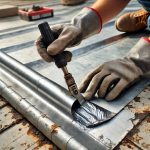
- Patch Repairs: For minor leaks or small areas of damage, patching is a straightforward solution. A patch of the same material as the roof is cut and sealed over the damaged area using a metal adhesive or roofing sealant. It’s important to ensure the patch is securely fastened and sealed to prevent future leaks.
- Replacing Fasteners and Sealing Seams: Loose or missing fasteners should be replaced with ones of the correct size and material to prevent further issues. Seams can be sealed using a high-quality roofing sealant or adhesive tape specifically designed for metal roofs.
- Coating and Repainting: If the roof’s protective coating is damaged, recoating the roof can prevent further corrosion and extend its lifespan. Elastomeric coatings are often used as they are flexible and can accommodate the expansion and contraction of the metal. Additionally, a fresh coat of paint can provide a new protective layer and enhance the roof’s appearance.
- Panel Replacement: In cases where panels are severely damaged or corroded, replacing the affected panels might be the best option. This process involves removing the damaged panels and installing new ones. This should be done carefully to ensure the new panels integrate seamlessly with the existing roof.
- Roof Restoration: For older roofs with widespread issues, restoration might be the best option. This involves comprehensive repairs, including fixing all leaks, replacing damaged sections, and applying a new coating or membrane over the entire roof. Restoration can significantly extend the life of a metal roof without the need for a full replacement.
Best Practices for Commercial Metal Roof Repair
To ensure effective and long-lasting repairs, it’s essential to follow some best practices:
- Choose the Right Materials: Use materials compatible with the existing roof, such as the same type of metal for patches and fasteners. This prevents galvanic corrosion, which can occur when different metals come into contact.
- Work with Experienced Professionals: Metal roof repair requires specialized knowledge and skills. Hire contractors who are experienced with metal roofing systems to ensure the repairs are done correctly.
- Regular Maintenance: Establish a routine maintenance schedule to inspect and address minor issues before they escalate into major problems. Regular cleaning to remove debris and checking for signs of wear can prevent many common issues.
- Document All Repairs: Keep detailed records of all repairs and maintenance work. This documentation can be valuable for future reference and can help with warranty claims if applicable.
- Invest in Quality Coatings: If recoating the roof, invest in high-quality materials that provide UV protection and are designed for metal roofs. This will enhance durability and reduce the frequency of repairs.
When to Consider a Full Roof Replacement
While repairs can address many issues with commercial metal roofs, there comes a point where replacement might be more cost-effective. Consider a full replacement if:
- The roof has extensive rust or corrosion that compromises its structural integrity.
- There are multiple leaks that are difficult to locate and repair.
- The roof is nearing the end of its expected lifespan (typically 40-70 years for metal roofs).
- Repairs have become frequent and costly, indicating that the roof is no longer performing effectively.
Conclusion
Repairing a commercial metal roof is a task that requires careful consideration of the type of damage, the best repair techniques, and adherence to industry best practices. Regular inspections and maintenance can extend the life of a metal roof significantly, preventing minor issues from becoming major problems. However, when repairs are no longer sufficient, investing in a full replacement can provide a long-term solution, ensuring the safety and functionality of the building for years to come.
If you would like additional information about the services Armadillo Metal Roofing offers, please visit our website.
Visit Armadillo Roofing and Exteriors, our other website, for more details!
Related service: Learn more about our commercial metal roof repair services in Austin and nearby communities.