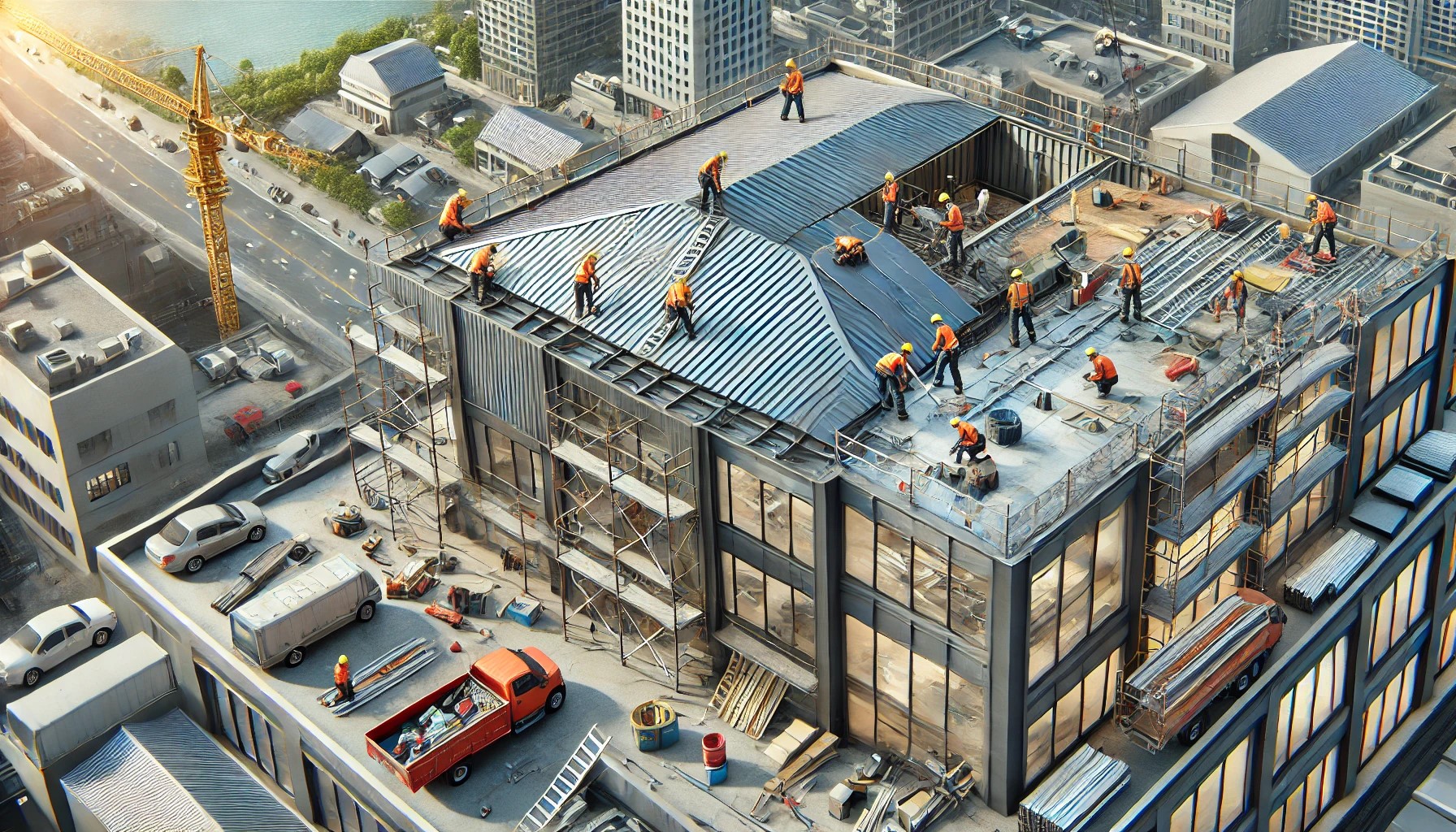
When it comes to maintaining the integrity of a commercial building, one of the most critical components is the roof. Metal roofs, known for their durability and longevity, are a popular choice for commercial properties. However, even the sturdiest roofs need replacement after decades of exposure to the elements. Understanding the process of commercial metal roof replacement can help businesses make informed decisions and ensure their buildings are well-protected.
Assessing the Need for Commercial Roof Replacement
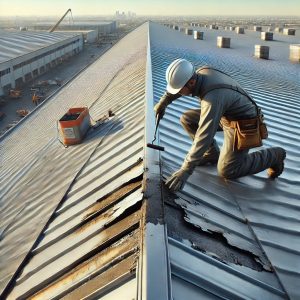
The first step in any roof replacement project is a thorough assessment. This involves evaluating the current condition of the roof to determine if a replacement is necessary. Signs that indicate a metal roof may need replacing include extensive rusting, persistent leaks, and significant structural damage. Regular inspections by professional roofing contractors can help detect these issues early, potentially saving on more costly repairs in the future.
Choosing the Right Roofing Material
Once the decision to replace the roof has been made, the next step is selecting the appropriate roofing material. While traditional metal roofs are common, advancements in technology have introduced various types of metal roofing materials. These include standing seam metal roofs, metal shingles, and corrugated metal panels. Each type has its own set of benefits and drawbacks, depending on the specific needs and budget of the business.
Hiring a Professional Roofing Contractor
The success of a commercial metal roof replacement heavily relies on the expertise of the roofing contractor. It’s crucial to hire a contractor with extensive experience in commercial roofing projects. This ensures that the installation is done correctly, adhering to all safety standards and building codes. Businesses should look for contractors with positive reviews, proper licensing, and a solid track record of successful roof replacements.
Preparing the Site for Roof Replacement
Before the actual replacement process begins, proper site preparation is essential. This involves removing the existing roofing material and ensuring the underlying structure is sound. Any damaged or rotten sections of the roof deck must be repaired or replaced to provide a stable foundation for the new metal roof. Additionally, safety measures should be put in place to protect workers and the building’s occupants during the replacement process.
 Installing the New Metal Roof
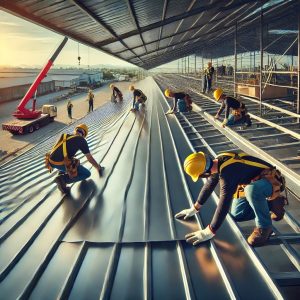
The installation of a new metal roof involves several key steps. Firstly, a protective underlayment is applied to the roof deck. This underlayment acts as an additional barrier against moisture and helps prolong the lifespan of the roof. Next, the metal panels or shingles are carefully installed, starting from the bottom edge of the roof and working upwards. It’s important to ensure that each panel is securely fastened and properly aligned to prevent leaks and ensure aesthetic appeal.
Ensuring Proper Ventilation
Proper ventilation is crucial for the longevity and performance of a metal roof. Without adequate ventilation, heat and moisture can build up in the attic space, leading to problems such as mold growth and reduced energy efficiency. Roofing contractors should install ridge vents, soffit vents, and other ventilation systems to promote airflow and maintain a balanced temperature within the building.
Addressing Insulation Needs
In addition to ventilation, insulation plays a vital role in the performance of a metal roof. Proper insulation helps regulate the temperature inside the building, reducing energy costs and enhancing comfort. During the roof replacement process, it’s an ideal time to assess the existing insulation and make any necessary upgrades. This may involve adding new insulation materials or improving the existing ones to meet current energy efficiency standards.
Implementing Regular Maintenance Plans
Once the new metal roof is installed, ongoing maintenance is essential to preserve its condition and extend its lifespan. Regular inspections, cleaning, and minor repairs can prevent small issues from escalating into major problems. Roofing contractors often offer maintenance plans that include scheduled inspections and proactive maintenance services, ensuring that the roof remains in optimal condition for years to come.
Understanding the Costs Involved
The cost of a commercial metal roof replacement can vary significantly based on several factors, including the size of the roof, the type of metal used, and the complexity of the installation. While metal roofs tend to have a higher upfront cost compared to other roofing materials, their durability and low maintenance requirements often make them a cost-effective choice in the long run. Businesses should obtain detailed quotes from multiple contractors and consider both the initial investment and the potential savings over time.
Considering Environmental Impact
Metal roofs are known for their sustainability and environmental benefits. They are often made from recycled materials and can be recycled again at the end of their lifespan. Additionally, metal roofs reflect solar heat, reducing the urban heat island effect and lowering cooling costs for the building. Businesses committed to sustainability can explore options such as cool roofing systems and solar panel integrations to further enhance the environmental performance of their new metal roof.
Navigating the Warranty Options
When investing in a commercial metal roof replacement, understanding the warranty options is crucial. Reputable roofing manufacturers and contractors offer warranties that cover both the materials and the workmanship. These warranties can provide peace of mind, knowing that the roof is protected against defects and potential issues. It’s important to review the terms and conditions of the warranty, including any maintenance requirements, to ensure full coverage.
Preparing for Future Needs
A new metal roof is a significant investment that can last for several decades. However, it’s important to plan for future needs and potential changes in the building’s use or occupancy. Businesses should consider factors such as potential expansions, changes in energy codes, and advancements in roofing technology when making decisions about their new roof. By staying proactive and informed, businesses can ensure their roof continues to meet their needs for many years to come.
The journey of replacing a commercial metal roof is a complex but rewarding process. From the initial assessment to the final installation, each step plays a critical role in ensuring the roof provides lasting protection and performance. By partnering with experienced professionals and making informed decisions, businesses can achieve a successful roof replacement that enhances the value and functionality of their commercial property.
To learn more about commercial metal roof restoration, check out our blog post here!
For more information on commercial metal roofing. Visit our sister website, Armadillo Roofing.
Related service: Learn more about our commercial metal roof replacement services in Austin and nearby communities.