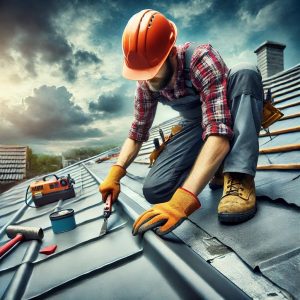
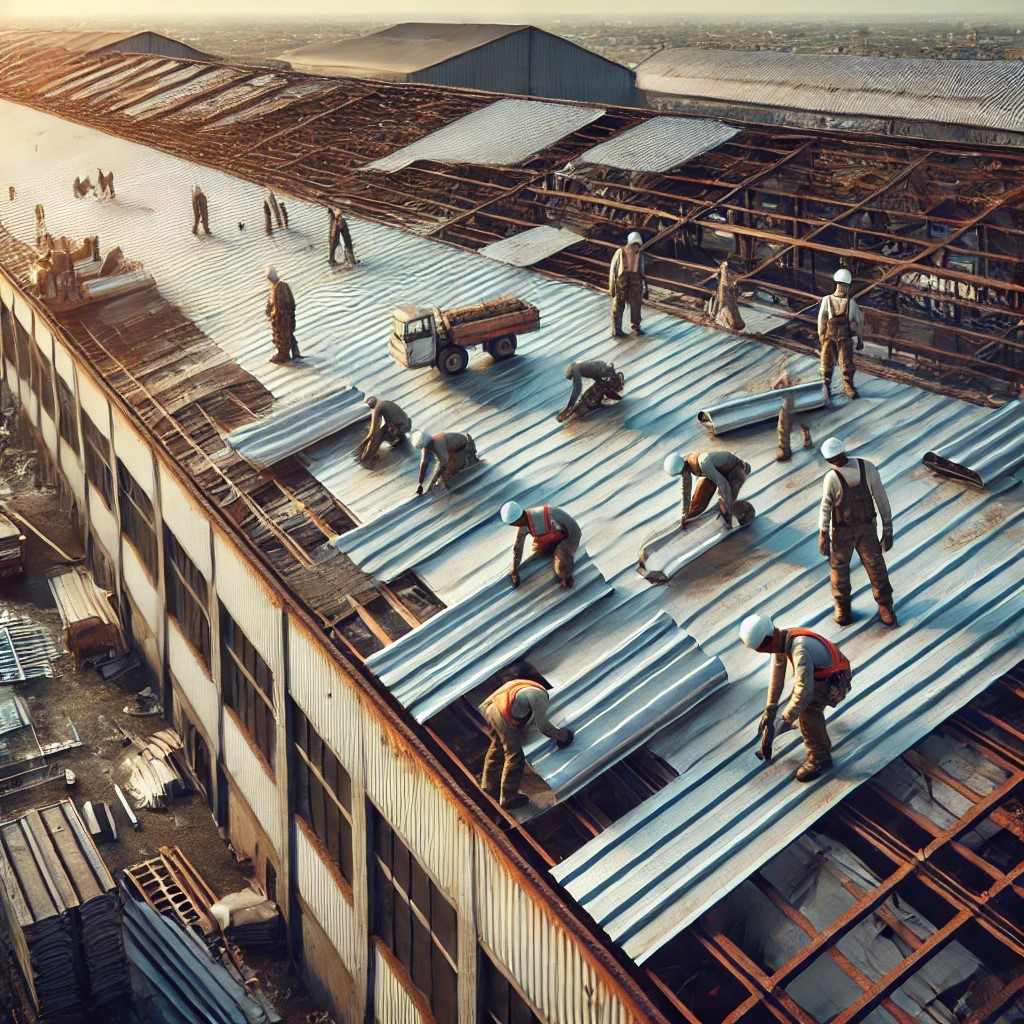
When it comes to commercial buildings, the roof is one of the most crucial components of the structure. A well-maintained roof protects the interior from external elements, ensures the safety of employees and visitors, and plays a pivotal role in energy efficiency. For businesses, the decision to replace a commercial metal roof is often a significant investment. However, when signs of deterioration or structural damage emerge, delaying this process can lead to more costly repairs and even disrupt operations. Below, we’ll explore the essential aspects of commercial metal roof replacement, guiding you through the steps and considerations that businesses should keep in mind.
Identifying the Need for Replacement
Metal roofs are known for their durability and longevity, often lasting 40 to 70 years, depending on the materials used and the level of maintenance provided. However, over time, even the most robust metal roofing systems can exhibit wear and tear. Common signs that a commercial metal roof might need replacement include visible rust or corrosion, frequent leaks, structural damage, and rising energy bills due to insulation degradation.
Water infiltration is one of the biggest indicators that a roof has reached the end of its service life. If your facility experiences recurring leaks despite repairs, it may be time to consider a full replacement. Rust is another clear sign, particularly in environments exposed to moisture or chemicals. Over time, untreated rust can weaken the roof panels, causing them to become brittle or compromised. It’s essential to perform routine inspections and address these issues before they escalate.
Choosing the Right Materials for Replacement
When replacing a metal roof, one of the first decisions business owners must make is selecting the appropriate material for the new roof. Metal roofing options vary in composition, performance, and cost, each bringing unique advantages depending on the climate, budget, and long-term goals of the business.
One popular option is standing seam metal roofing, which features vertical panels with raised seams. This roofing system is prized for its sleek appearance, water-tight construction, and minimal maintenance needs. Corrugated metal roofing is another common choice for industrial facilities. It’s lightweight, relatively inexpensive, and highly durable, making it ideal for buildings with expansive surface areas. Finally, metal shingles provide a more traditional look while still offering the strength and longevity associated with metal materials.
The choice of material will also depend on local climate conditions. For instance, in regions with heavy snowfall or extreme weather, businesses might opt for thicker panels or galvanized coatings to withstand harsh conditions. Each type of metal roofing has its advantages, and consulting with a roofing contractor can help identify the best solution based on your specific building needs.
Ensuring Proper Insulation and Ventilation
While the choice of roofing material is critical, another key consideration is the insulation and ventilation systems that accompany the replacement. Proper insulation and ventilation are crucial to regulating the temperature within the building, improving energy efficiency, and prolonging the life of the roof.
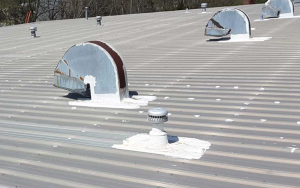
Metal roofs can absorb heat quickly, so businesses should prioritize reflective coatings and insulation that reduce heat transfer. This not only keeps the interior cooler during the summer months but can also lead to significant energy savings. Additionally, ventilation systems should be optimized to allow heat to escape and prevent moisture buildup, which can lead to mold, mildew, and rust over time.
Neglecting insulation and ventilation during the roof replacement process can result in higher operational costs, poor indoor air quality, and reduced comfort for employees and customers. Engaging with a professional roofing company that understands the importance of these elements is vital to ensuring a successful project.
The Role of Building Codes and Regulations
Replacing a commercial roof isn’t just about installing new panels and materials—it also involves adhering to local building codes and regulations. These codes are in place to ensure that roofs are installed safely, meet structural requirements, and align with energy-efficiency standards.
In many cases, building codes require that roofs be designed to withstand local weather patterns, such as high winds, heavy rains, or snowfall. It’s essential to work with a roofing contractor who is knowledgeable about the regulations specific to your area. This ensures the roof not only complies with legal standards but also provides long-term performance and safety. Failing to adhere to these codes can result in fines, project delays, or even the need to redo portions of the installation, further increasing costs.
Minimizing Disruptions During Installation
One of the biggest concerns for businesses when undergoing a commercial roof replacement is how the process will impact day-to-day operations. Replacing a roof on a large commercial building can be a complex, time-consuming task, but there are strategies to minimize disruptions.
A thorough planning phase with the contractor will involve scheduling the work during non-peak business hours or slower seasons when traffic in the building is lower. In some cases, sections of the roof can be replaced in stages, allowing the business to remain open while the work is being done. Additionally, contractors can utilize noise-reducing techniques and safety measures to limit disturbances to employees and customers.
It’s essential for business owners to communicate openly with their roofing contractor to develop a plan that balances the urgency of the replacement with the need to maintain smooth operations. The right contractor will understand these challenges and work to complete the project efficiently with minimal interruptions.
Budgeting for the Project
Commercial metal roof replacement is a significant investment, and budgeting properly for the project is essential to its success. While it’s tempting to focus on the upfront costs, businesses should also consider the long-term savings and benefits that come from upgrading to a new, energy-efficient roof.
The total cost of a metal roof replacement will vary depending on factors such as the size of the building, the type of metal used, labor costs, and whether additional elements like insulation or drainage systems need upgrading. While the initial cost of metal roofing may be higher than other materials, it typically pays off in longevity, reduced maintenance costs, and better energy efficiency.
It’s also a good idea to build a contingency budget for unexpected expenses. Hidden damage, such as structural issues or inadequate insulation, may not be apparent until the old roof is removed. Accounting for potential surprises ensures that the project can be completed without financial strain.
Working with a Trusted Roofing Contractor
The success of any commercial metal roof replacement depends heavily on the experience and skill of the roofing contractor. Working with a contractor who specializes in commercial roofing and has a proven track record of successful metal roof replacements will make a significant difference in the quality and longevity of the new roof.
It’s advisable to seek out multiple quotes and vet contractors based on their licensing, insurance, and customer reviews. A reputable contractor will take the time to inspect your current roof, offer detailed recommendations, and explain the entire process. They’ll also help ensure compliance with building codes, obtain the necessary permits, and use quality materials to guarantee that your new roof will perform as expected for decades to come.
In addition to technical expertise, strong communication with the contractor is key. Clear timelines, realistic expectations, and transparency about costs are essential to a smooth project. By choosing a contractor who prioritizes quality and customer service, businesses can feel confident that their roof replacement will be a sound investment.
Replacing a commercial metal roof is a critical decision that requires careful planning, the right materials, and the expertise of professionals. By understanding the process and working with the right contractor, businesses can ensure that their new roof not only protects their property but also supports the long-term growth and success of the company.
If you would like additional information about the services Armadillo Metal Roofing offers, please visit our website.
Visit Armadillo Roofing and Exteriors, our other website, for more details!
Related service: Learn more about our commercial metal roof replacement services in Austin and nearby communities.